
Creating New Habits . . . and Succeeding
by Kyra Freeburg, Counselor & Leadership Coach
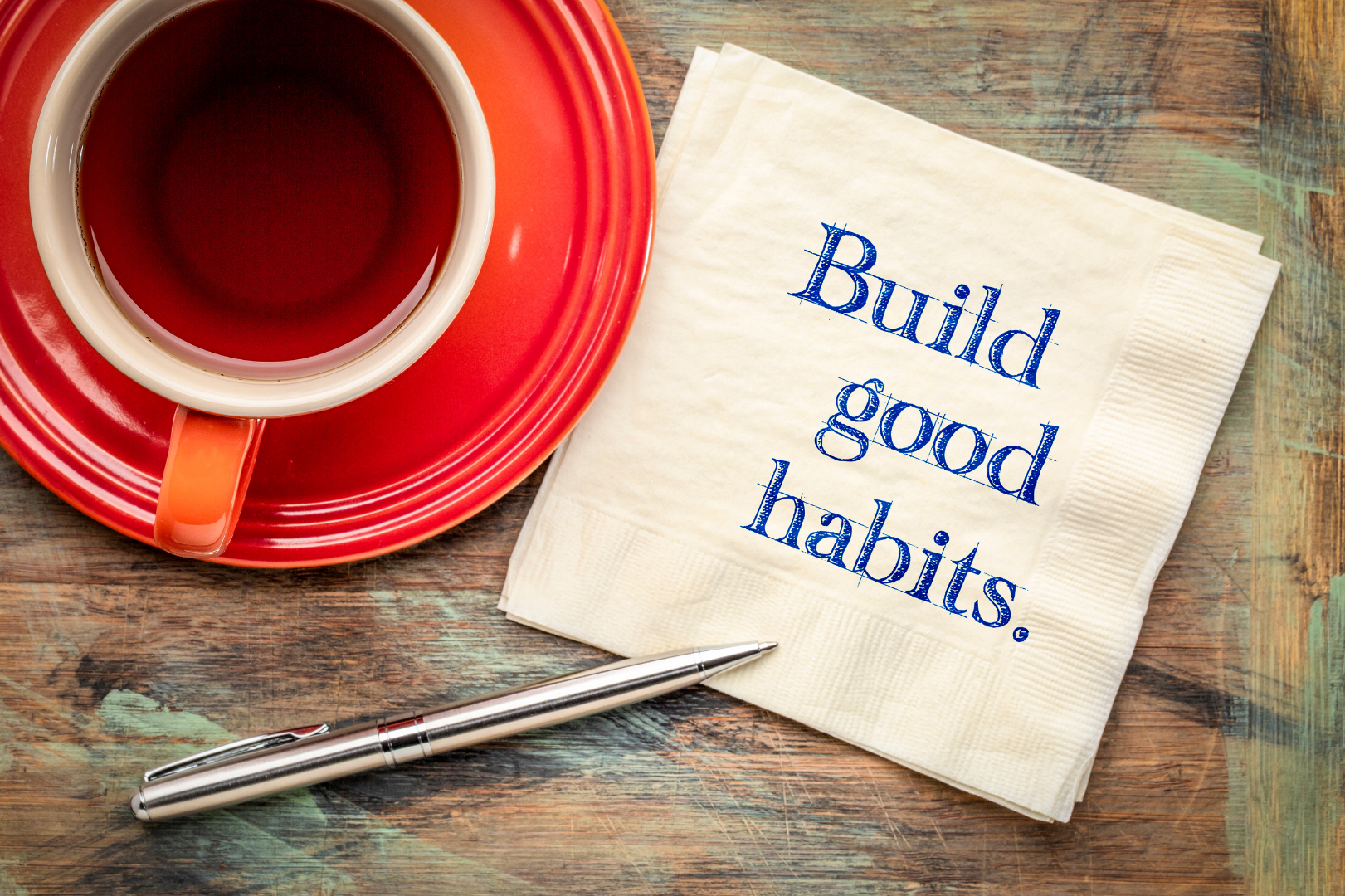
The New Year brings pressure to add healthy habits, turn over a new leaf or reinvent ourselves. We have all done it with varying degrees of success - but more often, failure. I would like to suggest some small tips that may help.
First up is scale: Always start small when making any changes. Many times we take too big a bite and make the behavior or action we want too grandiose. The smaller, the better: It has to be easy, doable and realistic. We want to choose something that we can repeat easily that doesn’t add much friction to our day.
We not only want to pay attention to the scale of our change but to the origin of what we want to change. It must be what we want - not our partner, or parent, or an external source. It cannot be a should. The word should indicates what someone else wants us to change, and the desire for change has to reside within us or we are setting ourselves up for failure.
Tips to make change stick:
Start small, micro steps. Examples might include meditate 5 minutes daily, eat a piece of fruit 1x a day, take a 10-minute walk at lunch.
Make it a SMART goal: Specific, Measurable, Achievable, Relevant and Time-bound.
Habit Stack. Slide the new desired habit between two things that are already happening, like adding that mediation between brushing your teeth and getting dressed, the 10 minute walk between lunch and a meeting, stick a piece of fruit in your bag the night before when you clean up after dinner or after breakfast/coffee.
Put it on your calendar and add reminders if needed.
Tell people or do it with someone else to build in accountability.
These steps help you plan for success - but go slowly and only add one new habit at a time. Practice it for at least a month before you even think about adding another or taking it to the next level.
Plan for what you do when you mess up and miss a day. This is a when, not an if, as we all mess up. When you miss a day, the most important thing is how fast you get back to your practice. Create a recovery plan, like telling your accountability partner or making a rule that you don’t miss more than one day - you get right back to your goal. This is important. The longer the change lapses, the less likely it is for you to start again. That also may be a sign that it was too big a step, or maybe the goal was a should, not a want.
Being honest and understanding who we are helps us be kind to ourselves as we try to do new or hard things. Keep a sense of humor, and take it one day at a time.
Looking for support in making changes? Cascade Health’s counselors and coaches can help. Find out more online, email counseling.info@cascadehealth.org, or call 541-345-2800.