
Feeling Stressed? Start with the Basics.
by Kyra Freeburg, Leadership Coach
We are navigating stressful times – and many of us have a collection of stress management tools we’ve acquired over the years from friends, podcasts, books or social media. While there’s no shortage of ideas, there is a core group of best practices that are backed by science. The best tools aren’t always glamorous – they’re simple and sometimes hard to make ourselves do, but when we can stick with them, we benefit.
Some of the top tips for managing stress include:
Sleep
Try for 7-8 hours a night. Good sleep hygiene helps, including going to bed within the same general time frame (within about an hour) each night to keep your rhythm steady. Staying much up later on weekends may be fun, but it can reset circadian rhythm and make Mondays harder. Dark, cool rooms and fewer people and pets in bed help as well.
Move your body
This can be in the gym, a class, walking your dog, yoga, playing sports, playing tag with your kids, or turning up the music and dancing – just move. Our bodies were meant to move, and movement can lower stress and anxiety. The more you move your body, the more you can move your body.
Eat healthy
Author Michael Pollan author summed it well: eat food, not too much, mostly plants. He recommends shopping the perimeter of the store where the fresh food is located, since the aisles tend to contain more highly processed food. Studies also show that out gut microbiome is linked to our brain function.
Stay calm
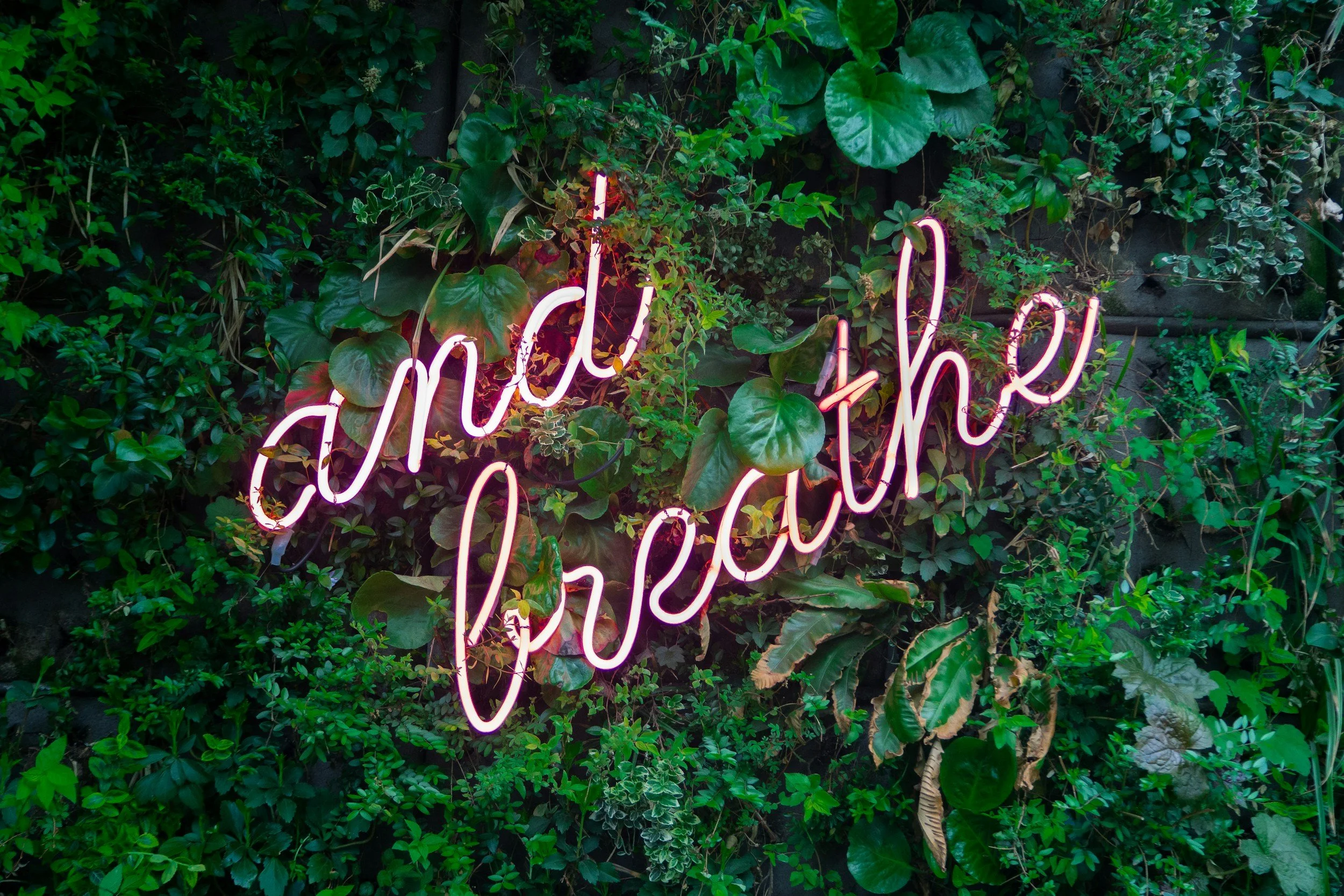
Try deep breathing or practice mindfulness to calm your nervous system and self-regulate. Using an app can help you explore different practices and find what works best for you.
Go Green
Find time to experience nature, whether you’re walking or just sitting outside. Getting outdoors can lower stress significantly.
Nurture Relationships
Spend time with people you enjoy, who make you laugh and who are supportive.
Cultivate Gratitude
Whether you record gratitude in a journal or share it every night at dinner, appreciating what went right in our day is healthy. We generally focus on the negative, and this practice helps balance the negative bias in our brain.
And Lastly . . .
I would suggest more personal ways to “fill your cup” and address stress – things that give you pleasure, make you laugh and help you feel loved. That might mean rewatching a favorite TV show or movie from your past, reading a favorite book and sharing your thoughts with someone, walking on the beach, or breaking out your paint brush, guitar, coloring books or knitting. Show up for that pickup basketball game you used to play or join a bowling league. Do the things your 80-year-old self would regret not doing more of. Go slow, take small steps, and keep moving towards the things that feel good.